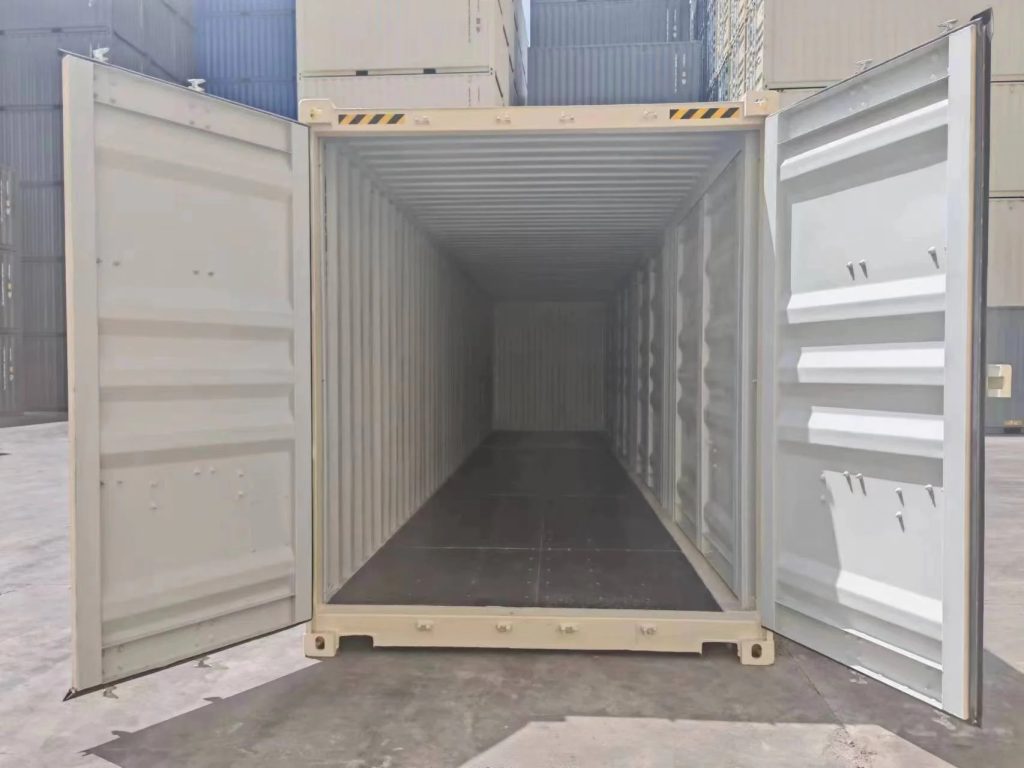
20 Ft Container Size Tools To Ease Your Everyday Lifethe Only 20 Ft Container Size Trick Every Person Should Learn
Understanding the 20 Ft Container Size: A Comprehensive Guide
When it pertains to shipping and storage solutions, containers have ended up being an essential aspect in the logistics market. Amongst different container sizes available worldwide, the 20-foot container stands out due to its versatility and functionality. 20 Ft Storage Container intends to dig deep into the dimensions, uses, advantages, and typical questions connected to 20 ft containers.
Overview of Container Sizes
To much better comprehend the 20 ft container size, it is essential to have a grasp of the standard container types. Shipping containers are generally categorized into various sizes and types, with 20 ft containers being the most typical. Below is a contrast table that summarizes the different standard shipping container sizes:
Container Type
Length (ft)
Width (ft)
Height (ft)
Volume (cu ft)
Typical Use
20 ft Standard
20
8
8.5
1,170
General freight, equipment
20 ft High Cube
20
8
9.5
1,244
General cargo, high products
40 ft Standard
40
8
8.5
2,390
Bulk cargo, automobiles
40 ft High Cube
40
8
9.5
2,694
High volume, extra-large items
40 ft Reefer
40
8
9.5
2,750
Disposable goods
Dimensions of the 20 Ft Container
The 20 ft container, also called a TEU (Twenty-foot Equivalent Unit), is a rectangular cargo container developed to fit on ships, trucks, and trains. Its dimensions, both internal and external, are essential for effective area management throughout transport and storage.
External Dimensions
- Length: 20 ft (6.06 m)
- Width: 8 ft (2.44 m)
- Height: 8.5 ft (2.59 m)
Internal Dimensions
- Length: 19.4 ft (5.9 m)
- Width: 7.7 ft (2.35 m)
- Height: 7.9 ft (2.39 m)
Weight Capacity
- Tare Weight: Approximately 4,800 pounds (2,177 kg)
- Maximum Gross Weight: Approximately 59,000 lbs (26,761 kg)
- Payload Capacity: Around 54,000 lbs (24,494 kg)
Uses of 20 Ft Containers
The 20 ft container is incredibly versatile and can be made use of throughout different sectors, which consist of but are not limited to:
- Shipping and Logistics: It is mainly used for transporting goods throughout seas and land.
- Building and construction Sites: Adapted for keeping tools, equipment, and materials safely on-site.
- Mobile Offices: Modifications allow it to be changed into portable office spaces.
- Pop-Up Shops: Trendy companies frequently utilize containers as momentary retail spaces.
- Residential Spaces: Innovative styles have actually resulted in the conversion of containers into homes.
Advantages of 20 Ft Containers
Owning or using a 20 ft container features various benefits:
- Cost-Effective: Often cheaper than other storage solutions, especially for global shipping.
- Resilience: Built to endure extreme weather, they provide a protected environment for freight.
- Mobility: Easy to carry by train, truck, or ship, making them extremely versatile.
- Stackability: Can be stacked on top of one another to optimize space in storage backyards or throughout transportation.
- Security: Equipped with safe and secure locking mechanisms that protect the cargo from theft and damage.
Regularly Asked Questions
Q1: How do I figure out the right container size for my requirements?
To discover the best container size, think about the volume and weight of the items you prepare to keep or transport. A 20 ft container usually accommodates a significant quantity of freight but likewise evaluate whether a larger container might be required based on your requirements.
Q2: Can I customize a 20 ft container?
Yes, 20 ft containers can be customized substantially to produce storage services, mobile workplaces, and even homes. Lots of business specialize in container adjustments.
Q3: How much does a 20 ft container expense?
The price of a 20 ft container can vary based on elements such as condition (new or utilized), place, and market demand. Generally, expenses might vary from ₤ 1,500 to ₤ 5,500.
Q4: How do I select a trustworthy seller or rental service for containers?
Always research and check out evaluations from previous customers. Inspect to see if the business is certified and guaranteed. In addition, consider visiting the location to examine containers before devoting to a purchase or leasing.
Q5: How do I transport a 20 ft container?
Transferring a 20 ft container usually needs specialized trucks or freight services geared up to deal with containers. Guarantee your shipping approach adhere to regional policies.
The 20 ft container has solidified its place as an essential element of worldwide trade and logistics. Its mix of sturdiness, cost-effectiveness, and adaptability offers services and people with various solutions for shipping, storage, and even unconventional usages like domestic accommodations. By understanding the specs and advantages of the 20 ft container, stakeholders can make educated decisions that line up with their functional requirements.
Whether you are an entrepreneur, logistics supervisor, or merely interested in area management services, recognizing how to utilize the advantages of a 20 ft container can improve performance and make the most of returns in your endeavors.